




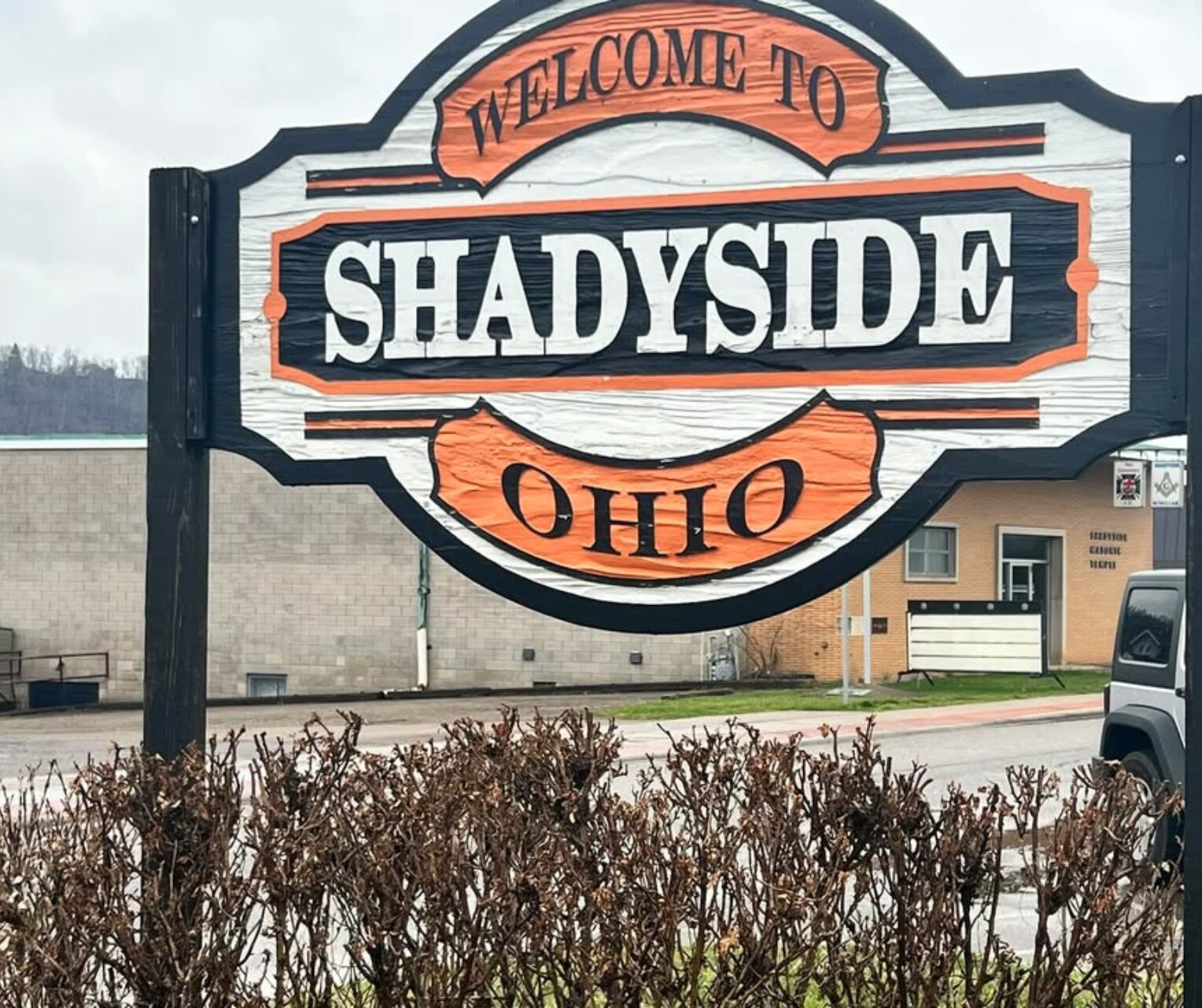
SHADYSIDE, Ohio — Shadyside village officials are working to secure grant money to test their drinking water for PFAS (per- and polyfluoroalkyl substances)— a group of synthetic chemicals linked to serious health problems that are commonly called “forever chemicals” because they break down extremely slowly and can accumulate in the environment, water supplies, and human tissue.
Shadyside has partnered with neighboring Bridgeport, which recently received more than $130,000 from a nationwide class-action lawsuit targeting companies that manufacture PFAS chemicals. That litigation is part of a broader wave of legal action against producers whose chemicals have settled into water basins and continued contaminating supplies across the country. Shadyside is now seeking a share of that settlement money to fund its own testing efforts.
Village Solicitor Kelly Kotur says the first step is testing to determine whether PFAS levels in Shadyside’s water exceed federal safety thresholds. From there, settlement administrators would decide how much funding, if any, the village qualifies to receive.
If awarded money from 3M — one of the defendants in the case — Shadyside could use the funds to cover the cost of advanced filtration systems, ongoing water monitoring, and other remediation measures. Kotur noted that any legal fees owed to attorneys involved in the settlement would be paid directly from the settlement proceeds, not from the village’s budget.
Separately, Shadyside officials have also arranged a PFAS study with May Engineering that will run alongside the lawsuit process to help identify whether the chemicals are present in the village’s water samples.
PFAS contaminate water by leaching from industrial sites, firefighting foam, and landfills into soil and groundwater, where their persistence allows them to accumulate in rivers, lakes, and drinking water.