

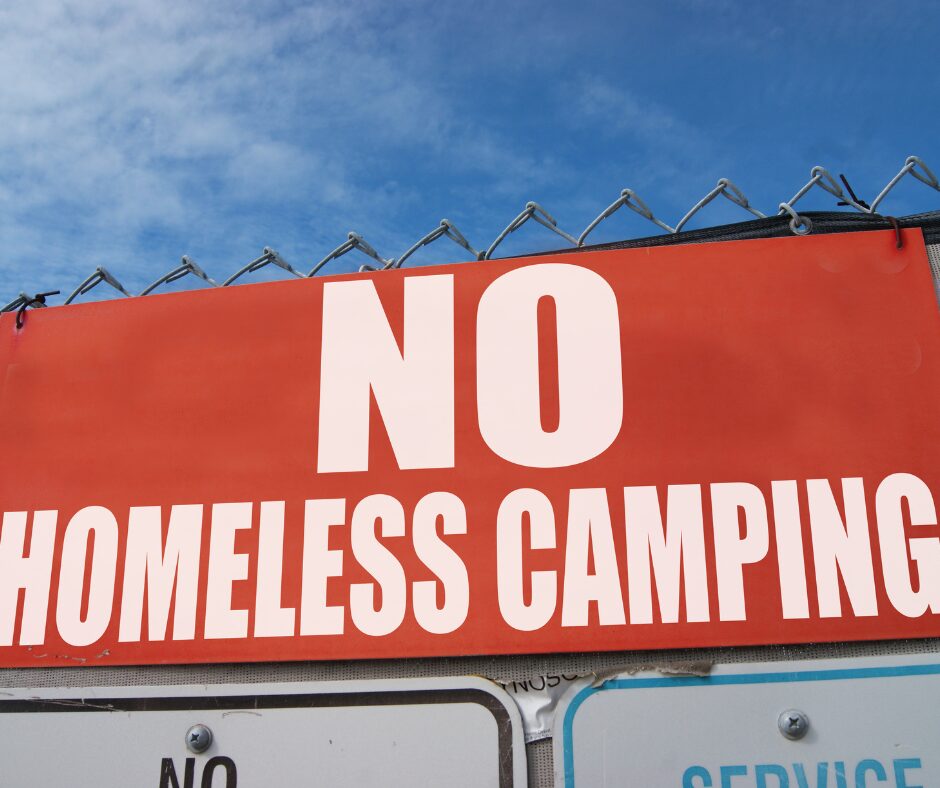
CHARLESTON, W.Va. — Lawmakers are moving forward with legislation that would criminalize camping on public property across West Virginia, as cities like Wheeling have already begun dismantling homeless encampments.
On Wednesday, the House Judiciary Committee advanced House Bill 5319, a measure that would make it a misdemeanor to sleep or store personal belongings on streets, sidewalks, and in public parks statewide.
The bill now heads to the full House for consideration.
What House Bill 5319 Would Do
House Bill 5319 would immediately classify what it calls “illicit camping” as a misdemeanor offense.
Under the proposal:
- A first offense would carry a $250 fine.
- A second offense within one year could result in up to 30 days in jail.
- Each 24-hour period spent camping in a prohibited area would be treated as a separate offense.
- Law enforcement would not be required to issue a warning before filing charges — a change from an earlier version of the bill.
Supporters argue the legislation would create consistency across municipalities and address public safety and sanitation concerns. Critics say it could further strain vulnerable populations without providing additional housing solutions.
Wheeling Becomes a Flashpoint
While lawmakers debate a uniform statewide policy, Wheeling has already taken action locally.
In late 2025, the city closed its only designated “exempted” camping area along the Maintenance Trail in the Fulton neighborhood. City officials cited what they described as unsanitary and dangerous conditions at the site.
River News met with community activist Carlee Dittmar last summer as she detailed the crime and nuisance issues the homeless camp caused in her Fulton neighborhood.
Frustrations Mount Over Wheeling’s Homeless Camps: Local Woman Asks, “How Is This Helping Anyone?”
Approximately 70 people were displaced when the camp was shuttered in December 2025.
Limited Shelter Options
Local organizations, including The Life Hub and the Salvation Army, have added temporary winter shelter beds. However, advocates say space remains extremely limited for individuals transitioning off the streets.
With Wheeling already closing encampments and the state moving toward a broader prohibition, the debate now centers on how West Virginia communities will balance enforcement with available housing and support services.


